
For newcomers looking to embark on their streaming career, choosing the right streaming platform can be the first step toward success or failure. Twitch and YouTube, the two most popular streaming platforms today, each have their own strengths. This article will help you find the most suitable platform strategy by examining aspects like growth potential, monetization capabilities, and community features.
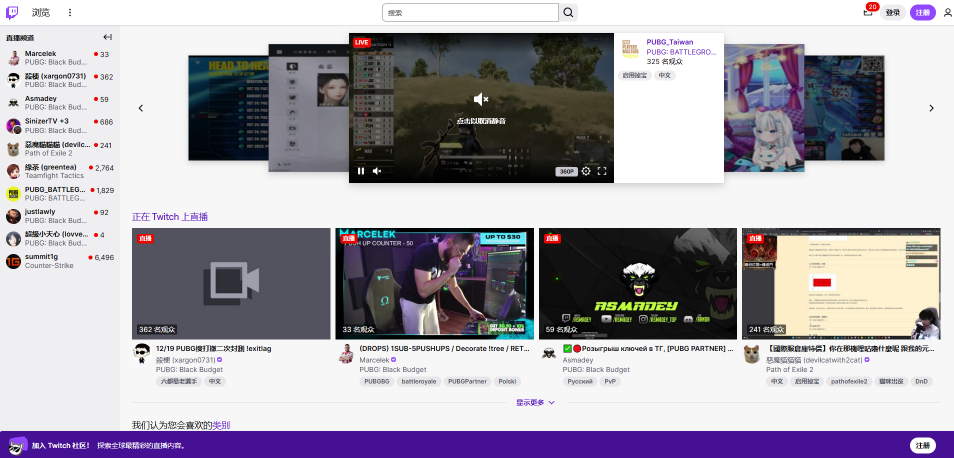
Twitch boasts a natural live-streaming audience, and viewers are generally more receptive to live content. Features like Raids and Hosts allow new streamers to tap into other streamers' audiences, providing a quick way to build community connections.
However, the reality can be harsh – Twitch has virtually no proactive recommendation mechanism. Unless viewers already know you exist, it's incredibly difficult for new users to discover you. The platform's algorithm clearly favors established big streamers, and newcomers relying solely on Twitch streaming will experience very slow growth.
This means: Streaming on Twitch is just the first step; you must drive traffic to your stream through other channels (like TikTok or YouTube Shorts).
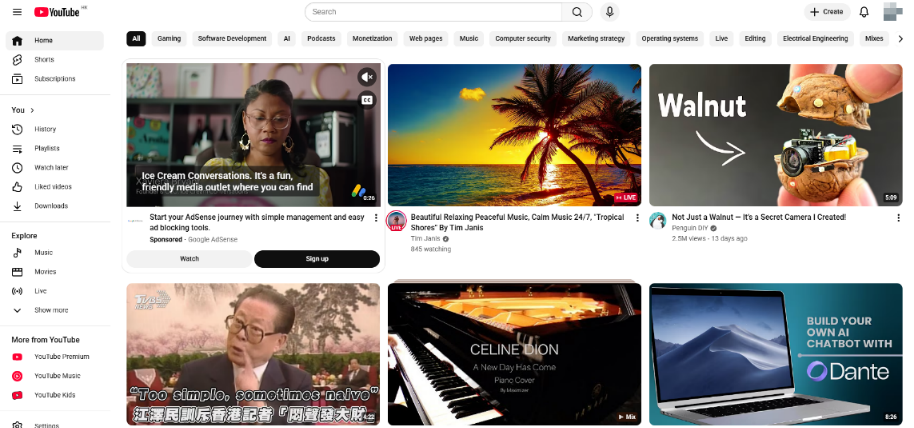
YouTube's biggest advantage lies in content retention and algorithmic recommendations. Your streams are automatically saved as videos after they end, continuously bringing you viewership and new subscribers. Combined with YouTube Shorts and long-form videos, you can create a complete content ecosystem that allows the algorithm to consistently recommend you to new viewers.
However, YouTube's live streaming atmosphere is indeed less vibrant than Twitch's, lacking strong community features like Raids, and its core audience for game streaming is relatively smaller.
Conclusion: If you're starting with zero followers, YouTube clearly offers stronger long-term growth potential.
Twitch's Affiliate program has a low entry barrier: you can start earning with just 50 followers and an average of 3 concurrent viewers. Viewers can support you through subscriptions (including free Amazon Prime subscriptions), Bits donations, and direct donations.
But the problems are:
Suitable for: Streamers who want to quickly earn their first income and are willing to stream frequently.
YouTube has a higher monetization threshold: you need 1,000 subscribers + 4,000 valid public watch hours (or 1,000 subscribers + 10 million valid public Shorts views).
But once approved, you'll enjoy:
Suitable for: Creators willing to invest time in refining their content and pursuing stable, long-term income.
Data shows that for equivalent viewership, YouTube creators typically earn 1.5-2 times more per view than Twitch streamers. If you want to learn more about platform monetization mechanisms, you can visit the MasLogin Blog for in-depth content on multi-platform operations and account security.
Core Logic: Don't put all your eggs in one basket.
Using tools like OBS, you can stream to both Twitch and YouTube simultaneously. This allows you to leverage Twitch's community vibrancy while benefiting from YouTube's algorithmic recommendations and content retention.
Practical Steps:
If you're concerned about cross-platform operational risks (like being flagged by platforms for bot activity), consider using a tool like MasLogin to create independent browser environments for different platforms, avoiding account bans.
If you don't want to manage multiple platforms simultaneously, focusing on YouTube first is a wiser choice:
While this approach may lead to slower initial growth, once it gains momentum, the revenue will become more stable and sustainable.
If I were to start streaming again today, this would be my plan:
Phase 1 (0-3 months):
Phase 2 (3-6 months):
Phase 3 (After 6 months):
Remember: Regardless of the platform chosen, simply streaming is not enough; you must proactively acquire traffic by combining it with short videos, social media, and other methods.
If you encounter account security issues while managing multiple platforms, such as needing to manage several social media accounts without worrying about bans, the MasLogin Help Center offers comprehensive solutions and best practice guides.
If you're aiming for quick monetization and are willing to stream frequently, choose Twitch. If you prioritize long-term growth and passive income, choose YouTube. The optimal solution is to use both platforms simultaneously through multi-platform streaming tools to diversify risks.
No. Tools like OBS allow simultaneous streaming to multiple platforms without affecting the viewer experience. The key is to re-edit content after the stream, optimizing it for different platforms (e.g., keeping full VODs on YouTube and posting clips on TikTok).
Focus on producing YouTube Shorts. Shorts viewership counts towards monetization standards and is more likely to receive algorithmic recommendations. Accumulating subscribers through high-quality short videos is a faster way to meet the criteria than solely relying on live streaming.
Twitch audiences are more accustomed to real-time interaction and a tipping culture, making it suitable for highly interactive content like gaming and casual chats. YouTube audiences focus more on content quality and long-term value, and are more willing to subscribe and rewatch. Choose your main battlefield based on your content type.
Use professional anti-detect browser solutions (like MasLogin) to create independent browser environments for each platform, preventing platforms from detecting that you're operating multiple accounts simultaneously. This is especially important for streamers who need to manage multiple accounts across Twitch, YouTube, TikTok, and other platforms.
Outline