
Proxy service providers seem to have a knack for overcomplicating things – endless plans, feature jargon, and technical terms flying everywhere. For anyone looking for a reliable proxy tool, this can be a real headache. This article aims to save you that trouble by directly comparing three of the most noteworthy proxy services on the market: an all-around performer suitable for most scenarios, a tool designed for advanced users and scraping needs, and a beginner-friendly option.
Before we dive into specific products, let's establish what constitutes a good proxy service.
First and foremost are performance, speed, and security – all three are non-negotiable. The three products we'll introduce today have passed these basic tests, offering excellent performance, global coverage, flexible proxy options, free trials, and 24/7 online support.
Personally, I place the highest importance on uptime and success rate, both of which should be at least 99%. High uptime signifies stable and reliable infrastructure, while success rate directly reflects the effectiveness of the proxy service in real-world projects. For instance, if your success rate is only 80% while running a scraping task, it means one out of every five requests fails, severely impacting your work efficiency.
Dakota can be considered the "Swiss Army knife" of proxy tools. Whether you have a small beginner project or large-scale needs like ad verification, AI data collection, e-commerce monitoring, or mobile app testing, it can handle the job.
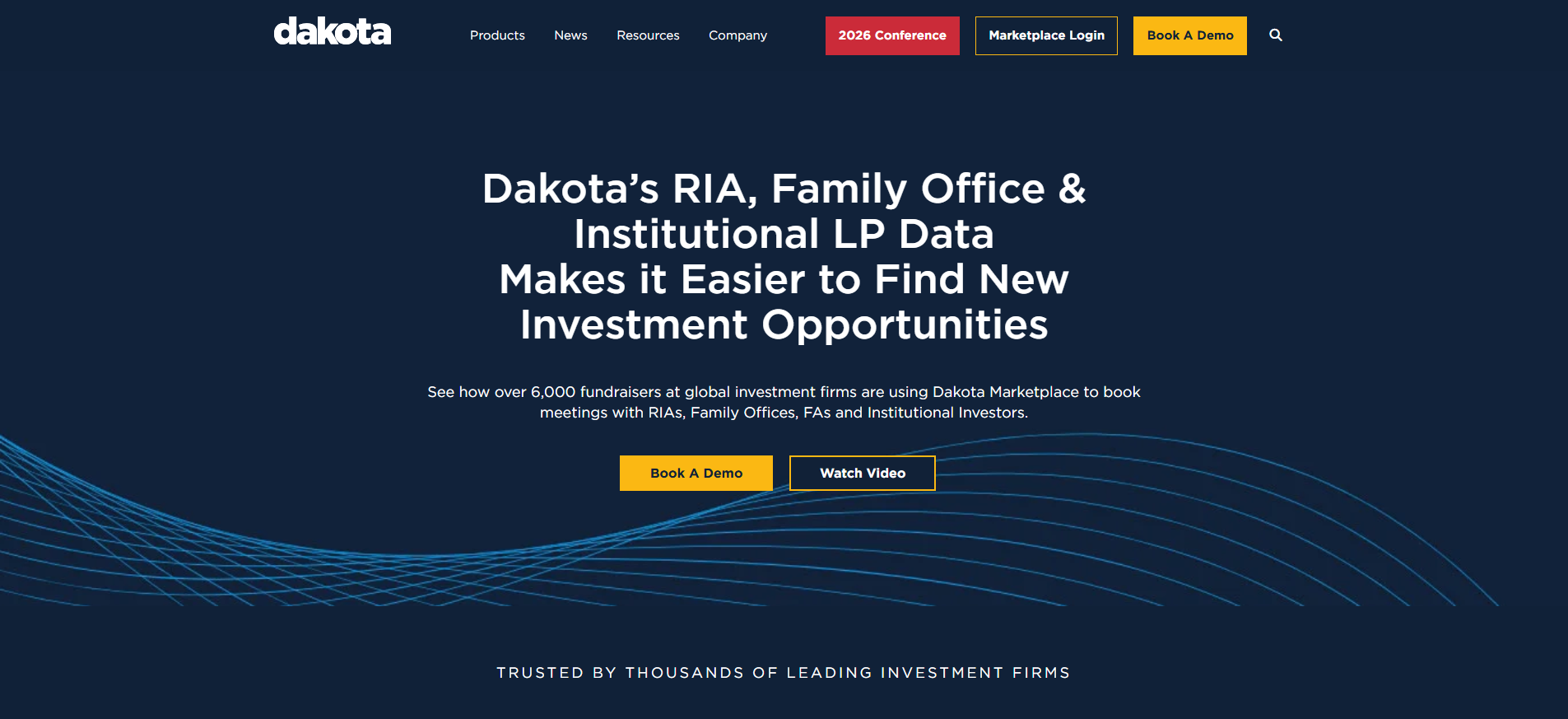
For smaller workflows, Dakota offers simple pay-as-you-go plans, an intuitive dashboard, and detailed usage documentation. You'll find corresponding guides in their help center for almost any imaginable use case, making it very user-friendly for those new to proxy tools.
Don't assume Dakota is only for beginners. For large projects, it also provides enterprise-level features like IP whitelisting, permission role management, and detailed usage statistics. This flexibility allows it to scale with your business growth.
What truly makes Dakota stand out is its tool ecosystem and functional diversity. It boasts 125 million IPs covering 195 countries. More importantly, Dakota is deeply integrated with over 30 third-party data scraping and automation tools, including proxy managers, scraping tools, and SEO analysis software.
If you're already using certain automation tools, Dakota allows you to apply your existing knowledge directly without needing to relearn. You can visit the Dakota official website to view the complete integration list.
Dakota also offers an all-in-one scraping API that automatically handles complex tasks like proxy rotation and CAPTCHA recognition. Even more interesting is their AI Parser tool, which can convert web URLs directly into structured data, saving you the effort of writing code. If you don't want to start from scratch, you can also use pre-set templates for a quick start.
To learn more about Dakota's features, you can visit the MasLogin blog for more proxy tool usage tips.
If you're already an experienced proxy tool user and need to build and automate complex workflows, OxyLabs would be a more suitable choice. It particularly excels at large-scale web scraping and automation tasks.
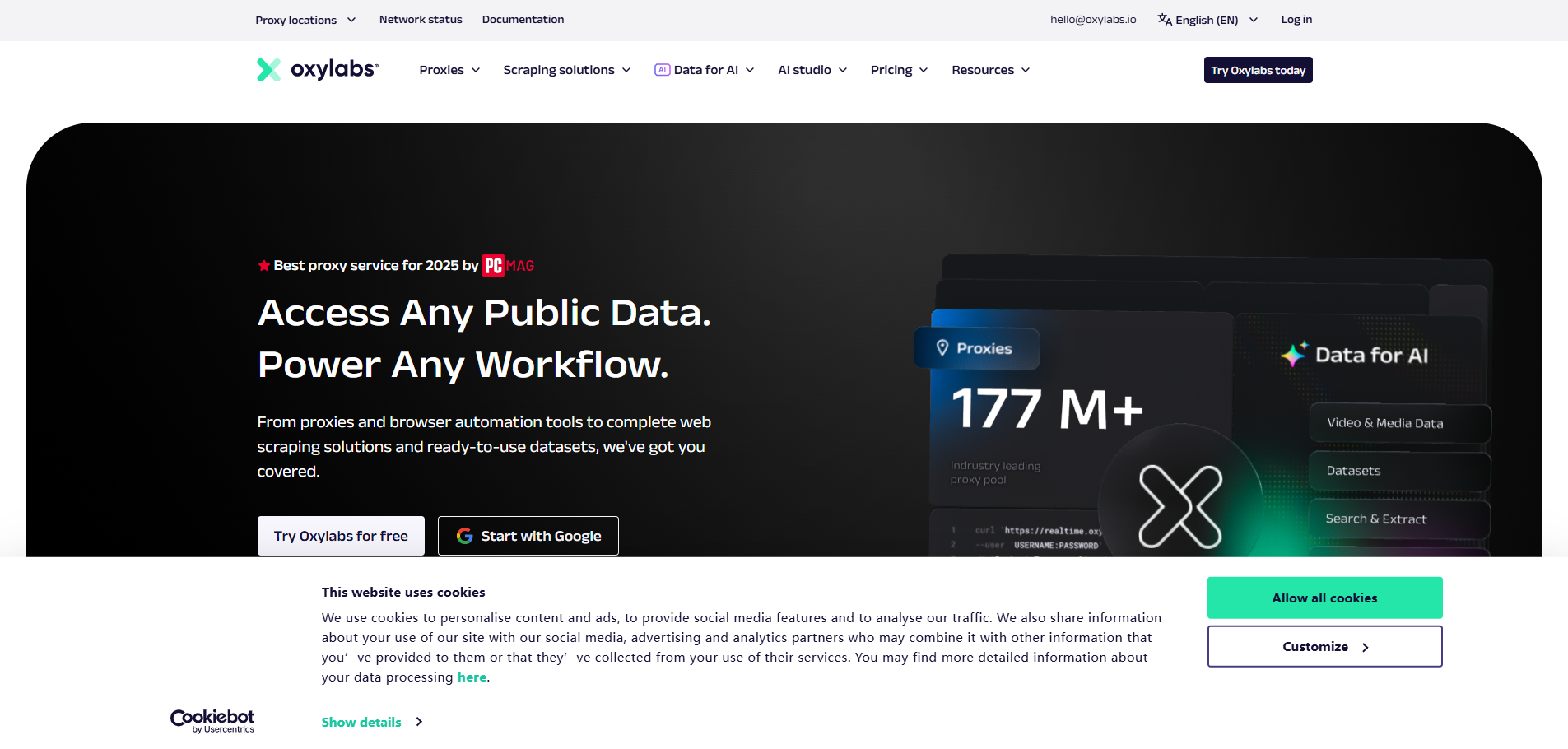
OxyLabs possesses over 175 million IPs across 195 countries, making it the largest proxy IP pool on the market. This allows you to rotate between millions of unique IPs, significantly reducing the risk of blocks, CAPTCHA triggers, or other restrictions.
Notably, OxyLabs' IPs are acquired through compliant channels. Whether you choose datacenter, ISP, or residential proxies, you won't have to worry about compliance issues. This is crucial for businesses requiring long-term, stable operation.
OxyLabs' most unique feature is its AI-powered scraping technology. The system includes built-in CAPTCHA solving, JavaScript rendering capabilities, and offers over a dozen specialized scraping APIs for e-commerce, real estate, and search engine results pages.
Three core tools are worth highlighting:
The Web Scraper API is the backbone of the entire system, allowing you to extract large amounts of data without managing proxies or maintaining custom scrapers. It can handle JavaScript rendering, bypass anti-bot protections, and return clean results in HTML, JSON, or structured formats.
OxyCopilot is the industry's first AI scraping assistant, directly integrated into the Web Scraper API. Simply describe your needs in natural language, and it will generate usable scraping code and parsing templates, significantly reducing manual coding time.
The Unblocking Browser is designed for automated web browsing and can be used with AI agents like Claude and Cursor. It requires no setup, has built-in anti-bot protection, and simulates human behavior to avoid detection.
For those concerned about price, while OxyLabs is powerful, its pricing is quite competitive, especially for users requiring large-scale processing and enterprise-level compliance, offering excellent value.
Unlike the other two tools, WebShare focuses on serving beginners and users with small workloads. Its core strengths lie in ease of use and affordability.
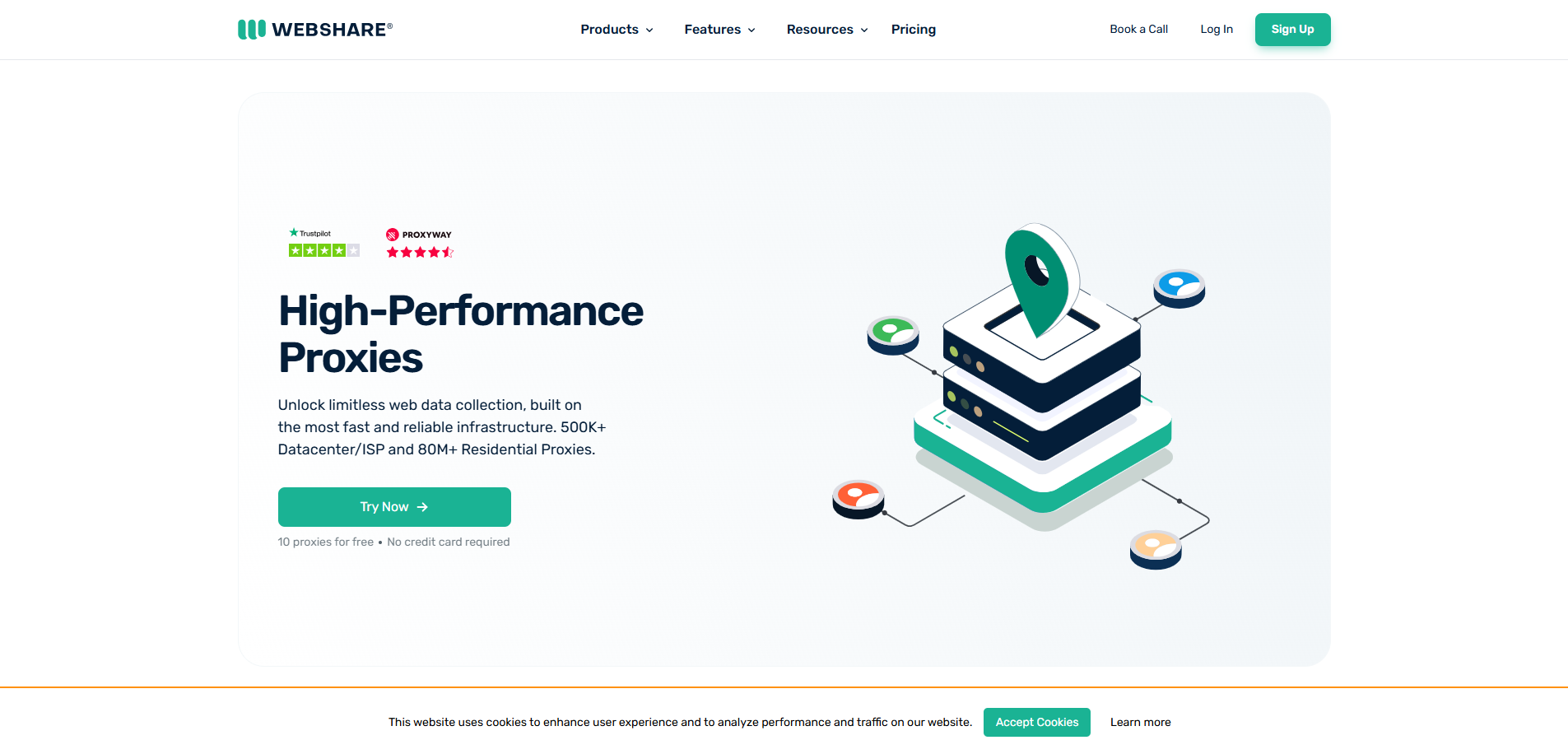
If there's one word to describe WebShare, it's "intuitive." The entire process, from registration to usage, is smooth and straightforward, without complex plan options or confusing add-on features.
You simply choose from three core proxy types: datacenter proxies, static residential proxies, or rotating residential proxies. Pricing is adjusted flexibly based on bandwidth and is very transparent.
WebShare offers 10 free datacenter proxies, which you can start using without a credit card. I've tested this feature myself, and it's an excellent way to familiarize yourself with the product and interface.
After registering and verifying your account, you'll immediately receive 10 datacenter proxy IPs located in different countries, plus 1GB of bandwidth per month. For users completely new to proxy tools, this free allowance is sufficient to get comfortable with the entire operation.
Although WebShare is positioned as an entry-level option, it also offers some advanced features. For example, you can opt for high concurrency to handle multiple tasks simultaneously or select high-priority networks for faster and more stable connections.
You can also flexibly adjust the proxy scale based on your budget and privacy needs. Within the datacenter and static residential proxy plans, you can choose shared, private, or fully dedicated IPs.
If you're unsure which proxy type to choose, the WebShare official website provides use case guides. Simply select your objective, and the system will recommend the most suitable proxy type.
For more in-depth usage tips, refer to the relevant tutorials in the MasLogin Help Center.
These three proxy tools each have their strengths, and the key is to align them with your actual needs.
Dakota is suitable for users seeking flexibility and an all-around tool that can handle almost any scenario. Whether it's daily web scraping, data collection, or complex automation tasks, Dakota can perform. It caters to both beginners and enterprise-level requirements.
OxyLabs is the best choice for advanced users, especially technical teams focused on automation and large-scale projects. If you need to handle complex scraping tasks, build custom workflows, or have strict compliance requirements, OxyLabs' AI-powered technology and vast IP pool will be your powerful ally.
WebShare is the ideal option for beginners and users on a budget. It's simple, cheap, and lacks unnecessary complex setups, making it perfect for light usage or individual users just starting with proxy tools.
For more professional terms related to proxies, you can visit the MasLogin Glossary.
For users new to proxy tools, WebShare is the best choice. It offers a free trial, has a clean and intuitive interface, detailed usage guides, and is affordably priced. If you're still unsure about your specific needs, you can start by experiencing WebShare's 10 free datacenter proxies.
OxyLabs is best suited for large-scale scraping projects. It boasts a massive pool of 175 million IPs and built-in AI-powered scraping technology that can automatically handle complex issues like CAPTCHAs and JavaScript rendering, making it ideal for scenarios requiring high concurrency and large data volumes.
Yes, all three tools offer global coverage. Dakota covers 195 countries with 125 million IPs; OxyLabs also covers 195 countries with 175 million IPs; and WebShare covers 195 countries with 80 million IPs. Whichever region's IPs you need, these tools can meet your requirements.
Success rate directly impacts your work efficiency and costs. If a proxy tool's success rate is only 80%, it means one out of every five requests fails, requiring you to resend requests, wasting time and increasing bandwidth costs. Quality proxy providers typically maintain a success rate of over 99%.
Not necessarily. WebShare requires almost no technical background and is suitable for users with no prior experience. Dakota falls in the middle, offering a beginner-friendly interface while also supporting advanced features. OxyLabs is more suited for users with a technical background who need to build complex automated workflows.
Outline